Pain Management for Terminal Illness
Fear of uncontrolled pain is one of the most common concerns families carry when a loved one receives a terminal diagnosis.
The reassuring reality is that suffering is not inevitable. Modern pain management for terminal illness is both evidence-based and deeply individualized, built around protecting comfort and preserving dignity at every stage of the journey.
Clinicians approach end-of-life pain through the lens of "total pain," a concept that recognizes suffering as physical, emotional, interpersonal, and spiritual all at once. Effective care addresses every one of these dimensions. This guide walks through how pain is identified, treated with medication, supported with non-drug therapies, and managed during the final days of life.
Why Pain Is So Common in Terminal Illness
Pain frequently accompanies advanced illnesses such as cancer, heart failure, and COPD. It can stem from the disease itself, from medical interventions, from prolonged immobility, or from complications like infection and organ failure. Knowing where pain comes from helps clinicians treat it more precisely.
There are three main types of pain seen in terminal illness:
- Somatic pain feels deep and aching, often tied to bone, skin, or tissue damage
- Visceral pain has a cramping or squeezing quality, typically originating from internal organs
- Neuropathic pain presents as burning or electric sensations along nerve pathways
Each type points toward a different cause. And identifying the right cause shapes every treatment decision that follows.
How Pain Is Evaluated at the End of Life
Pain assessment in palliative care goes far beyond asking a patient to rate their discomfort on a scale. Clinicians evaluate location, intensity, duration, character, and what triggers or relieves the pain. Tools like the 0–10 numeric scale and the Wong-Baker Faces scale give patients a consistent way to communicate what they are experiencing.
Assessment becomes more nuanced when a patient has dementia or can no longer speak. In those cases, clinicians watch for nonverbal signals:
- Facial grimacing or a clenched expression
- Restlessness or visible agitation
- Rapid breathing or elevated heart rate
- Signs of skin breakdown, dehydration, or infection on physical exam
Pain assessment is never a one-time event. It must be repeated continuously, especially after any change in treatment, to confirm the plan is still working.
What the WHO Pain Ladder Is and How It Guides Treatment
The World Health Organization developed a structured framework, known as the pain ladder, to guide analgesic therapy in cancer and terminal illness. It matches medication strength to pain severity, giving clinicians a consistent starting point for decision-making.
The three steps work as follows:
- Step 1 addresses mild pain with non-opioids such as acetaminophen or NSAIDs
- Step 2 addresses moderate pain with weaker opioids such as codeine or tramadol
- Step 3 addresses severe pain with strong opioids such as morphine, oxycodone, hydromorphone, or fentanyl
Progression is driven by the patient's pain level, not by an arbitrary timeline. In some cases, careful assessment reveals that starting directly at Step 3 is the most appropriate choice.
The ladder is a guide, not a rigid rule.
Why Scheduled Dosing Matters More Than "As Needed" Medication
Persistent pain requires scheduled, around-the-clock dosing to maintain stable medication levels in the bloodstream. Waiting until pain becomes intense before giving medication makes it significantly harder to regain control.
Long-acting opioids manage baseline pain throughout the day and night. Short-acting opioids are reserved for breakthrough pain, which refers to sudden flares that occur during movement, repositioning, wound care, or disease progression.
When medication runs on a consistent schedule, pain rarely reaches a crisis point. Families and caregivers who understand this principle become active partners in keeping their loved one comfortable.
How Opioids Are Used Safely in Terminal Illness
Opioids work by binding to receptors in the brain and spinal cord, reducing the intensity of pain signals. They are considered the gold standard of pain management for terminal illness. Commonly used medications include morphine, hydromorphone, oxycodone, and fentanyl, each available through multiple delivery routes depending on what works best for the patient:
- Oral tablets or liquid for those who can still swallow
- Intravenous or subcutaneous infusion for direct and rapid relief
- Transdermal patches for continuous, steady absorption over days
Two concerns come up often when families hear the word "opioid."
Respiratory depression is closely monitored because sedation always precedes it. Clinicians adjust doses incrementally and track mentation carefully, making this a manageable risk within a supervised care environment.
Addiction is a concern rooted in a different context entirely. At end of life, the goal is comfort, and the medical team treats opioid therapy accordingly.
Side effects like constipation are predictable and managed proactively. If a medication stops working well or causes intolerable side effects, opioid rotation, the practice of switching to a different opioid, is a standard and effective clinical tool. Patients with kidney or liver impairment require dose adjustments to prevent medication accumulation.
What Adjuvant Medications Are and When They Help
Some types of pain respond better to medications that were not originally designed as painkillers. These are called adjuvant medications, and they play an important supporting role alongside opioids.
- Steroids reduce inflammation and swelling, particularly useful when tumors compress surrounding nerves
- Anticonvulsants such as gabapentin are effective for neuropathic pain
- Antidepressants such as amitriptyline address the nerve-based burning or electric pain that opioids alone may not fully relieve
- NMDA-modulating agents such as ketamine are introduced in more complex, refractory cases
Adjuvant medications do more than fill gaps. They often reduce the total amount of opioid a patient needs, which can improve alertness and overall quality of life.
How Non-Pharmacological Therapies Support Pain Relief
Medication is the cornerstone of terminal pain management. Physical and psychosocial therapies strengthen its effect, reaching dimensions of suffering that medication alone cannot fully address.
On the physical side, the care team and caregivers can draw from several approaches:
- Repositioning and pressure offloading to prevent skin breakdown
- Warm or cool packs applied to painful areas
- Gentle massage to ease muscle tension
- TENS (transcutaneous electrical nerve stimulation) for localized relief
- Physiotherapy to maintain function and reduce discomfort from immobility
Preventive care also matters at this stage. Proper head positioning, eye lubrication, oral hygiene, and skin protection each reduce quiet, accumulating sources of discomfort that can go unnoticed until they become significant.
Emotional distress amplifies physical pain. This is not a minor consideration — it is a clinical reality, and it is why psychosocial and spiritual support belong in the same conversation as medication. Counseling, relaxation techniques, music therapy, and chaplaincy services each address the non-physical layers of suffering. Together, they honor the full human experience of a patient's final season.
Why a Multidisciplinary Team Is Essential
No single provider can manage the full complexity of pain at the end of life.
Effective pain management for terminal illness depends on coordinated care across multiple disciplines, each contributing a distinct and necessary role:
- Physicians oversee medication management and adjust treatment plans as the patient's condition evolves
- Nurses perform continuous assessment and carry out dose titration at the bedside
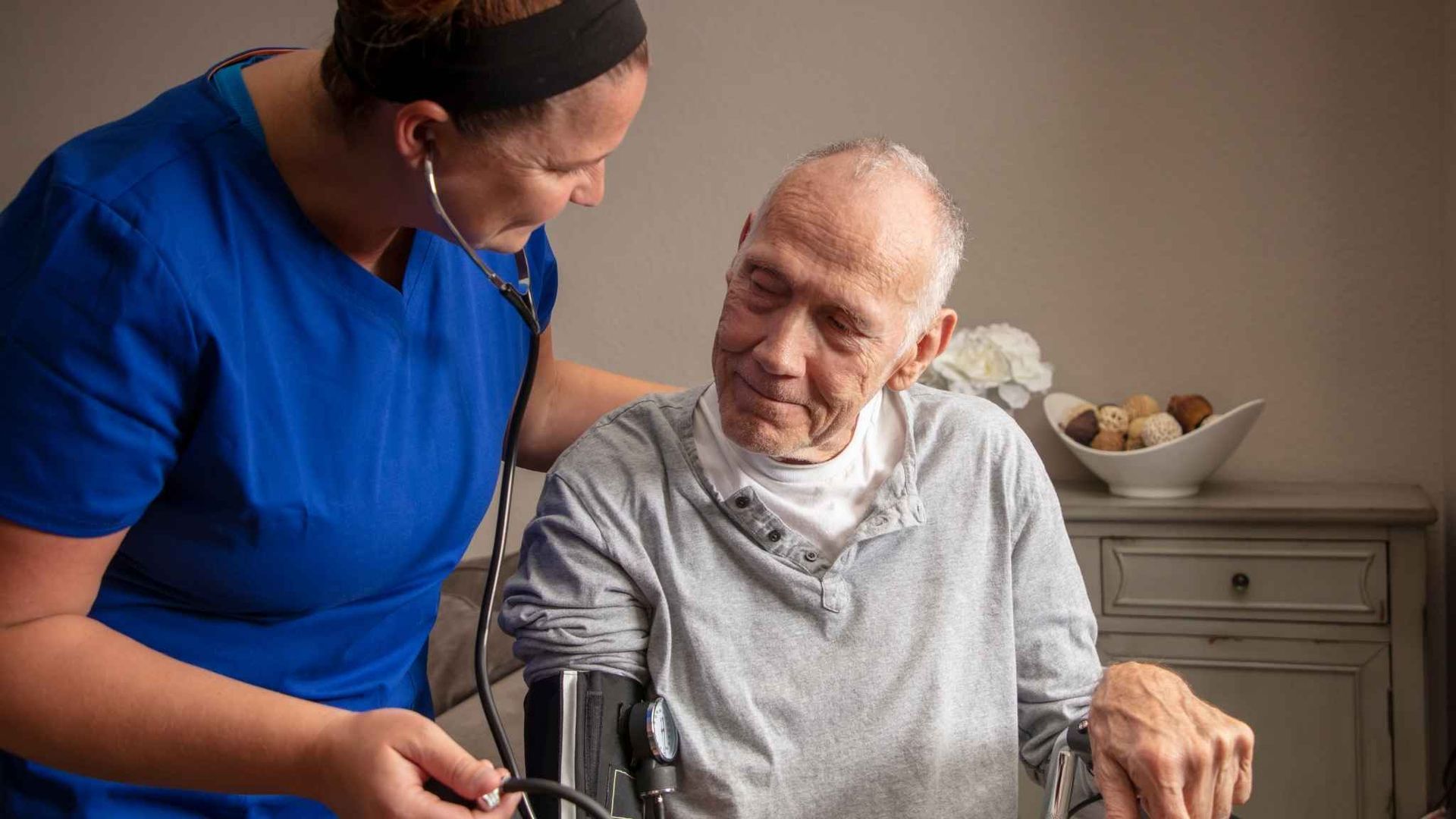
- Hospice nurses and hospice aides provide hands-on comfort care in the home or facility setting, manage symptom crises, educate families on medication use, and ensure round-the-clock support is available when pain escalates
- Pharmacists review drug interactions and monitor for safety concerns
- Social workers and counselors support emotional wellbeing for patients and families alike
- Chaplains address spiritual needs and existential distress
- Respiratory therapists and wound care specialists step in when specific symptoms require it
Open communication among team members, and with the patient and family, keeps goals of care clearly defined. Shared decision-making ensures every intervention reflects what matters most to the person at the center of care.
How Pain Is Managed in the Final Days of Life
As death approaches, oral medications often become impossible to swallow or absorb.
The care team transitions to subcutaneous syringe drivers, small devices that deliver a continuous 24-hour infusion of medication. This ensures comfort does not waver even as consciousness decreases. Medications are adjusted, not withdrawn, as the patient's needs shift.
Palliative sedation is available for rare cases where pain or distress cannot be adequately controlled through other means. It is a compassionate, medically supervised intervention, used only when all other options have been exhausted.
Comfort remains the unwavering priority. Always.
Common Complications and How They Are Prevented
Proactive monitoring prevents most complications from becoming serious problems. A few areas deserve close attention.
NSAIDs carry risks including gastrointestinal bleeding, kidney stress, and cardiovascular effects. Their use is weighed carefully against the benefit they provide, especially in patients with pre-existing organ concerns. A proton pump inhibitor is typically added when NSAIDs are used for more than a week.
Opioids can cause sedation and constipation, both anticipated and managed. A less commonly known phenomenon, opioid-induced hyperalgesia, occurs when prolonged opioid use paradoxically increases pain sensitivity. If this happens, reducing the dose and switching the opioid class is the standard approach. Naloxone is kept available in care settings to reverse overdose quickly if it occurs.
Regular reassessment is the most powerful preventive tool available. A team that monitors closely can catch and correct problems before they escalate.
How Families Can Support Effective Pain Management
Families are not passive bystanders in this process. Their involvement directly affects how well pain is controlled and how meaningful the time that remains can be.
A few things make a real difference:
- Communicating any changes in a loved one's pain promptly, even small ones, gives the medical team the information needed to adjust the care plan
- Learning to recognize nonverbal pain signals in patients who can no longer communicate verbally
- Gaining a clear understanding of each medication's purpose and timing, which removes fear and builds confidence
- Ensuring the entire family shares a consistent approach, reducing confusion and preventing well-intentioned but contradictory responses to a loved one's distress
Documented goals of care anchor every decision to what the patient truly values. When those goals are clear, families can advocate with confidence, knowing they are honoring what their loved one would want.
Well-managed pain does not erase grief. But it does create space for something irreplaceable: the ability to be present, to connect, and to find meaning in the time that remains.
When Pain Feels Overwhelming, Valley Oaks Hospice Is Here to Help
If you are worried about how your loved one’s pain will be managed, or unsure whether their current plan is truly keeping them comfortable, you don’t have to carry those concerns alone. The team at Valley Oaks Hospice is here to walk through your questions carefully and without pressure.
We take the time to understand your loved one’s symptoms, review medications, and explain how comprehensive pain management can address not only physical discomfort, but emotional and spiritual distress as well. Our focus is steady, attentive comfort care that reflects your family’s values and your loved one’s wishes.
If you would like clarity about pain control options, medication adjustments, or whether hospice support is appropriate right now, reach out to Valley Oaks Hospice today. Compassionate guidance begins with a conversation, and we are here whenever you are ready.